Red Light Therapy
Light as Medicine — Not a Metaphor
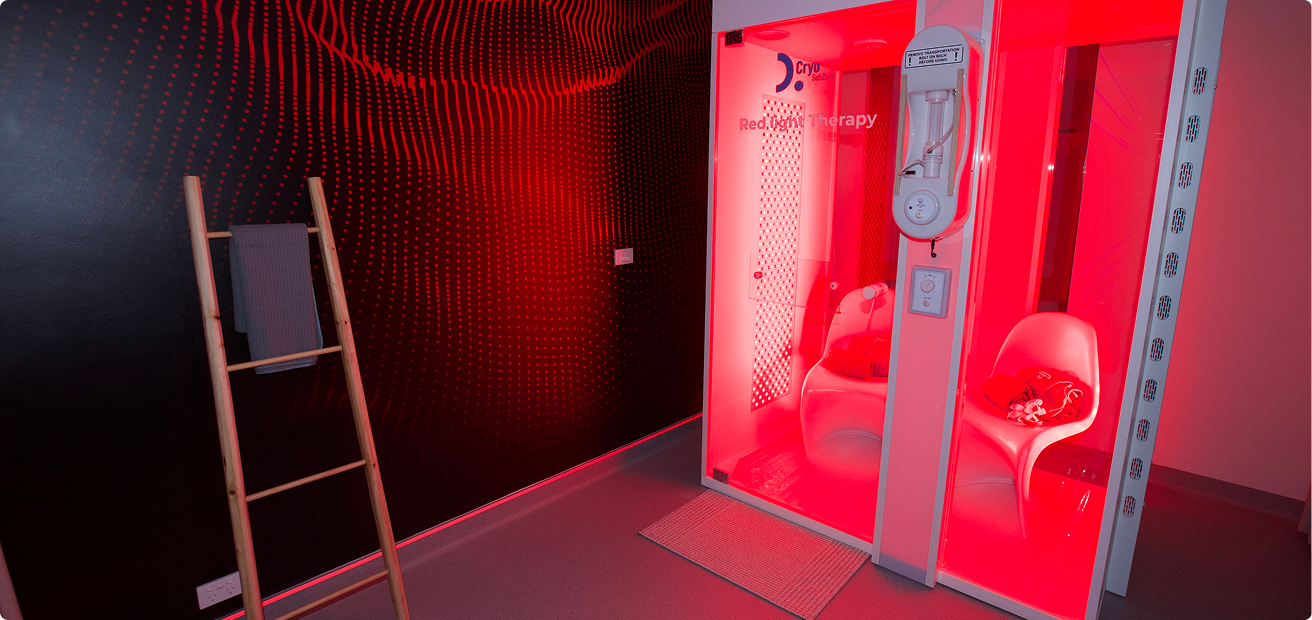
By Dr. Zeeshan Siddiqui | Cryo SubZero Recovery & Longevity

The information shared in this article is for general educational and wellness purposes only and is not intended to replace medical advice, diagnosis, or treatment. Always consult a qualified healthcare professional regarding any health concerns. Results may vary between individuals. Cryo SubZero offers wellness services and does not provide medical treatment.
Light as Medicine
The idea of using light to heal the body sounds almost too simple. Yet the evidence base behind photobiomodulation the scientific term for what most people call red light therapy has grown steadily overthe past three decades, accumulating clinical trial data that spans wound healing, muscle recovery, cognitive function, and chronic pain management. Red light therapy delivers specific wavelengths typically 630700nm in the visible red spectrum and 800–1100nm in the nearinfrared range directly to the skin and underlying tissue. Unlike UV light, which damages DNA, these wavelengths are absorbed at the cellular level in a way that is regenerative rather than destructive. NASA first explored near-infrared light in the 1990s to accelerate wound healing in astronauts. What started as a space medicine experiment has evolved into one of the most rigorously studied noninvasive therapies in modern wellness and rehabilitation.
Specific Conditions With Evidence of Benefit
Muscle Recovery & Athletic Performance
Multiple randomised controlled trials show that pre and post-exercise photobiomodulation significantly reduces DOMS (delayed onset muscle soreness), accelerates strength recovery, and decreases creatine kinase a biomarker of muscle damage. A 2016 meta-analysis in Lasers in Medical Science concluded that low-level laser therapy improved muscle performance and reduced fatigue markers across 13 studies.
Skin Health & Anti-Ageing
Red light at 633nm has been shown in multiple double-blind trials to stimulate fibroblasts, increasing collagen type I and type III synthesis. Clinical outcomes include measurable reduction in fine lines, improved skin tone, and accelerated wound healing. A 2014 study in Photomedicine and LaserSurgery demonstrated significant improvement in skin complexion and reduced periorbital wrinkles after consistent sessions.
Chronic Pain & Inflammation
Photobiomodulation reduces pro-inflammatory cytokines including IL-1β, TNF-α, and IL-6 while increasing anti-inflammatory mediators. Studies in patients with chronic low back pain, fibromyalgia, and temporomandibular disorder show consistent pain reduction. A 2015 Cochrane-adjacent review found near-infrared therapy provided statistically significant pain relief in knee osteoarthritis.
Hair Loss (Androgenetic Alopecia)
Several FDA-cleared devices use low-level laser therapy for hair regrowth. Mechanistically, red light stimulates hair follicle cells in the telogen (resting) phase and prolongs the anagen (growth) phase. A 2013 randomised trial in Lasers in Surgery and Medicine showed a 39% increase in hair count after 26 weeks of treatment in men with androgenetic alopecia.
Cognitive Function & Mental Health
Transcranial photobiomodulation applying near-infrared light directly to the skull — is one of the most exciting emerging areas. Early human trials show improvements in working memory, reaction time, and mood. A 2018 study in Frontiers in Neuroscience showed sustained cognitive improvements in healthy adults after a single 8-minute session targeting the prefrontal cortex.
Thyroid Function
A randomised trial published in Lasers in Surgery and Medicine (2013) found that low-level laser therapy applied to the thyroid gland in patients with chronic autoimmune thyroiditis (Hashimoto's) significantly reduced the needchronic autoimmune thyroiditis (Hashimoto's) significantly reduced the need for levothyroxine medication, with some patients achieving complete medication cessation. This is an area of active investigation.
General Wellbeing Benefits
Beyond diagnosable conditions, consistent red light therapy use has been associated with improved sleep quality (likely via circadian regulation and melatonin pathway modulation), reduced cortisol levels, enhanced immune function through lymphocyte activation, and general improvements in energy and subjective vitality. These outcomes are harder to quantify in clinical trials but are reported consistently across user populations and are biologically plausible given the mitochondrial mechanism.
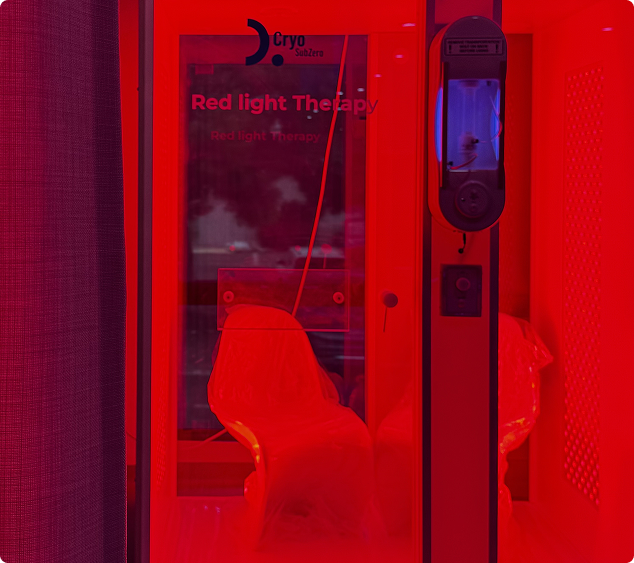
Who Is Already Using It
Red light therapy has moved well beyond the clinic. Athletes, executives, and public figures with access to the best recovery tools in the world have integrated it as a non-negotiable part of their protocols.
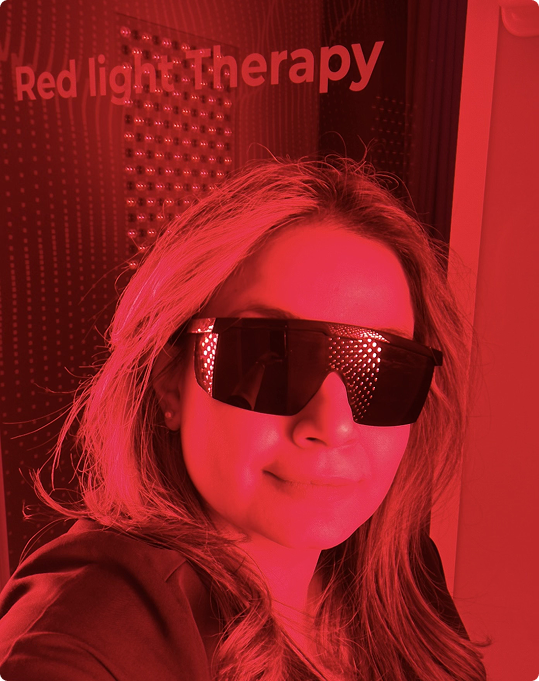
Ben Greenfield
Biohacker, bestselling author of Boundless, and one Ben Greenfieldof the most prominent voices in longevity science. Greenfield has written and podcasted extensively about daily red light therapy use for testosterone optimisation, skin health, and cognitive enhancement, integrating full-body panels into his morning routine.
Dr. Andrew Huberman
Stanford neuroscientist and host of the Huberman Lab podcast. Huberman has discussed photobiomodulation across multiple episodes, particularly its application for eye health, cognitive performance, and testosterone. His framing of red light as a tool for "setting your circadian biology" has reached tens of millions of listeners.
Kourtney Kardashian
Has publicly documented red light therapy as a regular component of her wellness routine, specifically for skin health and recovery contributing significantly to mainstream consumer awareness of the therapy.
Novak Djokovic
One of the most analytically rigorous athletes in professional sport, Djokovic incorporates photobiomodulation alongside HBOT and other advanced recovery modalities as part of the protocol that has allowed him to compete at elite level into his late thirties.
Mark Zuckerberg
Reports indicate that Meta's CEO uses red light therapy and infrared saunas as part of his health and performance optimisation stack — a signal that high-performing executives are treating recovery with the same seriousness as peak performers in sport.
Tim Ferriss
Author of The 4-Hour Body and self-experimentation advocate, Ferriss has featured red light therapy as part of his personal biohacking toolkit and discussed it with researchers on his podcast, amplifying scientific conversations around photobiomodulation to a large entrepreneurial audience.
Who Should Exercise Caution
Red light therapy has an excellent safety profile. Unlike UV therapy, it carries no risk of DNA damage or carcinogenicity at therapeutic doses. Side effects, when reported, are typically mild and transient occasional headaches or temporary fatigue, particularly in the first few sessions. However, certain populations should consult a healthcare professional before commencing:
Active Malignancy
Because photobiomodulation stimulates cellular proliferation, individuals with active cancer particularly hormone-sensitive cancers should seek medical clearance before use. This is a precautionary position; current evidence does not demonstrate that red light therapy causes cancer, but the biological plausibility of stimulating existing tumour cells warrants caution.
Photosensitising Medications
Patients taking medications that increase photosensitivity including certain antibiotics (e.g., tetracyclines), lithium, or retinoids should discuss therapy with their prescribing physician.
Pregnancy
There is insufficient human trial data on photobiomodulation during pregnancy. Until better evidence exists, avoidance or medical consultation is recommended, particularly for near-infrared exposure over the abdominal area.
Active Haemorrhage or Acute Thrombosis
Red light therapy increases local blood flow and nitric oxide production. Application over sites of active bleeding or thrombosis is not recommended. At Cryo SubZero, all clients complete a pre-session health intake, and our team is trained to identify contraindications and escalate to clinical staff when required.